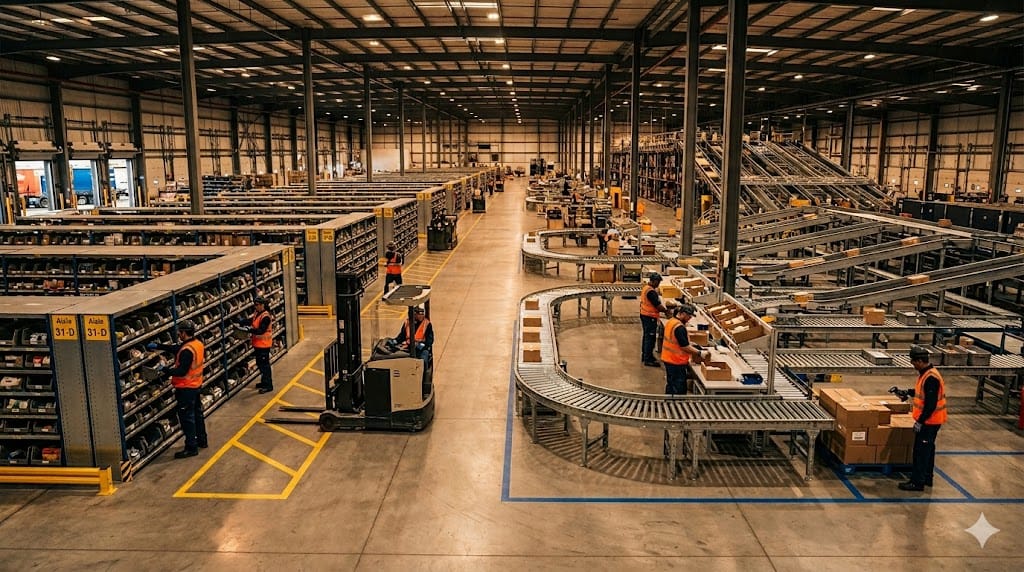
Navigating a supply chain analytics career means understanding how operational experience, such as managing DC throughput or LTL freight, translates into technical data roles. I’ve explored many corners of the tech world before landing on a data role that fits my transferable skills and appetite for analytics.
TL;DR — Bottom Line Up Front
What this covers: Transitioning from operations to analytics career roles is more common than you think. The real differences between data scientist, data analyst, business analyst, BI analyst, and data engineer roles, what each one actually does, where they overlap, salary ranges across experience levels, and how to figure out which path fits your background.
Who it’s for: Operations and supply chain professionals considering a move into analytics, students deciding which data career to pursue, and hiring managers trying to clarify which type of data role they actually need on their team.
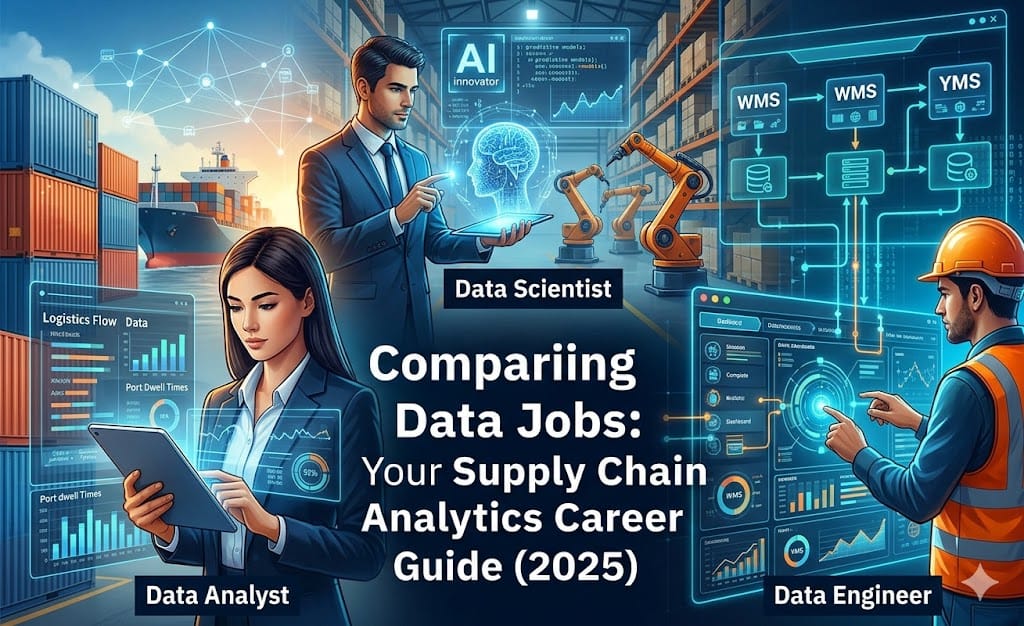
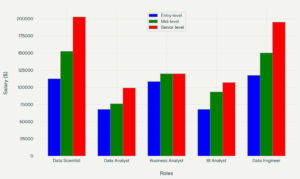
If you’re exploring a career in data or trying to hire the right professional for your team, this guide will help you understand what each role does, how they overlap, and who might thrive in each position. I’ll also break down salary ranges across experience levels and share a handy chart to make comparisons easy.
Comparing Roles for a Supply Chain Analytics Career
Data Scientists: The Innovators
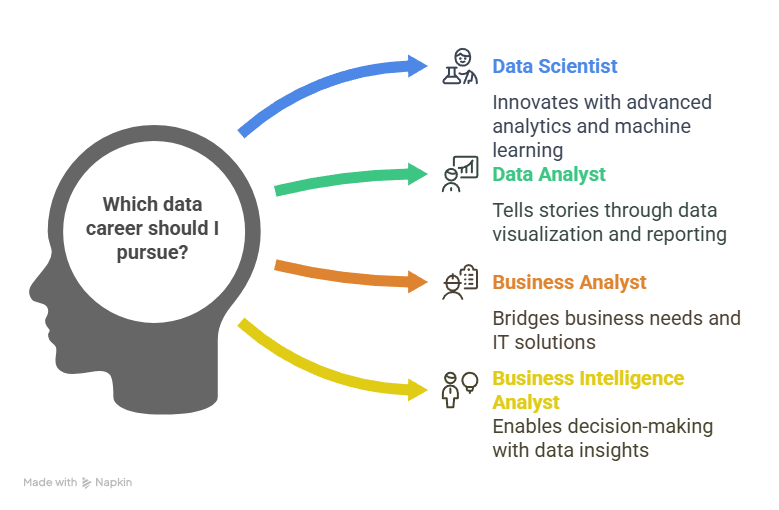
Data scientists use advanced statistical techniques, machine learning, and programming to uncover patterns hidden deep within data. They often work with programming languages like Python or R and tools like TensorFlow. In supply chain, they aren’t just looking at spreadsheets; they are building models to predict carrier capacity crunches or optimizing safety stock levels across a multi-node network. If you enjoy tackling complex problems and love working with cutting-edge technology, this role might be perfect for you.
👉 Learn more about the Data Scientist job description.
Data Analysts in a Supply Chain Analytics Career
Data analysts focus on turning raw data into actionable insights. In a supply chain context, this person isn’t just ‘finding trends’; they’re identifying why dwell times increased at the Savannah port last quarter. They identify sales trends or create dashboards for marketing teams. Tools like Excel, SQL, Tableau, and Power BI are their bread and butter.
👉 Discover more about being a Data Analyst.
Business Analysts: The Bridge Builders
Business analysts connect business needs with technical solutions, focusing on improving processes. They collaborate with stakeholders to gather requirements and ensure solutions align with business goals.
👉 Learn more about the Business Analyst role.
Business Intelligence Analysts: The Decision Enablers
BI analysts specialize in creating tools that track performance metrics. They are the experts behind dashboards and systems that turn raw numbers into knowledge.
👉 Explore more about the BI Analyst job description.
Data Engineers: The Builders
Data engineers build the infrastructure that allows other roles to function. Instead of just ‘building infrastructure,’ they’re the ones ensuring the WMS (Warehouse Management System) talks to the YMS (Yard Management System) without data loss. They design systems for collecting, storing, and managing data using cloud platforms such as AWS or Azure.
👉 Learn how to become a Data Engineer.
Data Engineer vs Data Analyst: Comparing Salaries (2025)
| Role | Entry-Level ($) | Mid-Level ($) | Senior-Level ($) |
|---|---|---|---|
| Data Scientist | $95K–$130K | $130K–$175K | $175K–$230K |
| Data Analyst | $68K–$76K | $76K–$99K | $99K–$120K |
| Business Analyst | $70K–$90K | $90K–$115K | $115K–$140K |
| BI Analyst | $68K–$80K | $80K–$100K | $100K–$120K |
| Data Engineer | $105K–$130K | $130K–$170K | $170K–$220K |
Do You Need a Technical Degree?
One of the biggest misconceptions in a supply chain analytics career is that you need a Computer Science degree to get your foot in the door. For roles like Data Analyst or BI Analyst, that isn’t the case. Hiring managers often value demonstrated ability with SQL, Excel, and a strong portfolio of supply chain projects more than a specific tech degree. Your operational “battle scars” often provide better context for the data than a classroom ever could.
Frequently Asked Questions
What is the difference between a data analyst and a data scientist?
A data analyst works with structured data to answer defined business questions using SQL, Excel, and BI tools. A data scientist works on less-defined problems using machine learning and statistical modeling to find patterns and build predictive systems.
Which data role is the best fit for someone coming from supply chain or operations?
BI analyst or data analyst is the most natural move. Your domain knowledge, understanding how DC metrics connect to business outcomes, is a massive advantage. You just need to bridge the technical gap with SQL and BI tools.
Do you need a computer science degree to get a data job?
Not for analyst or BI analyst roles. Demonstrated ability with SQL, Excel, and a strong portfolio often matters more than a specific degree.
Mapping Your Supply Chain Analytics Career Path
When comparing data jobs, fit is more important than salary. Choosing the right path for your supply chain analytics career depends on whether you prefer building systems or telling data stories. The data field has a place for you. Take stock of your strengths and start your journey!